For Learning at Work Week this year, we wanted to find out from the experts why continuing your learning journey at work really matters.
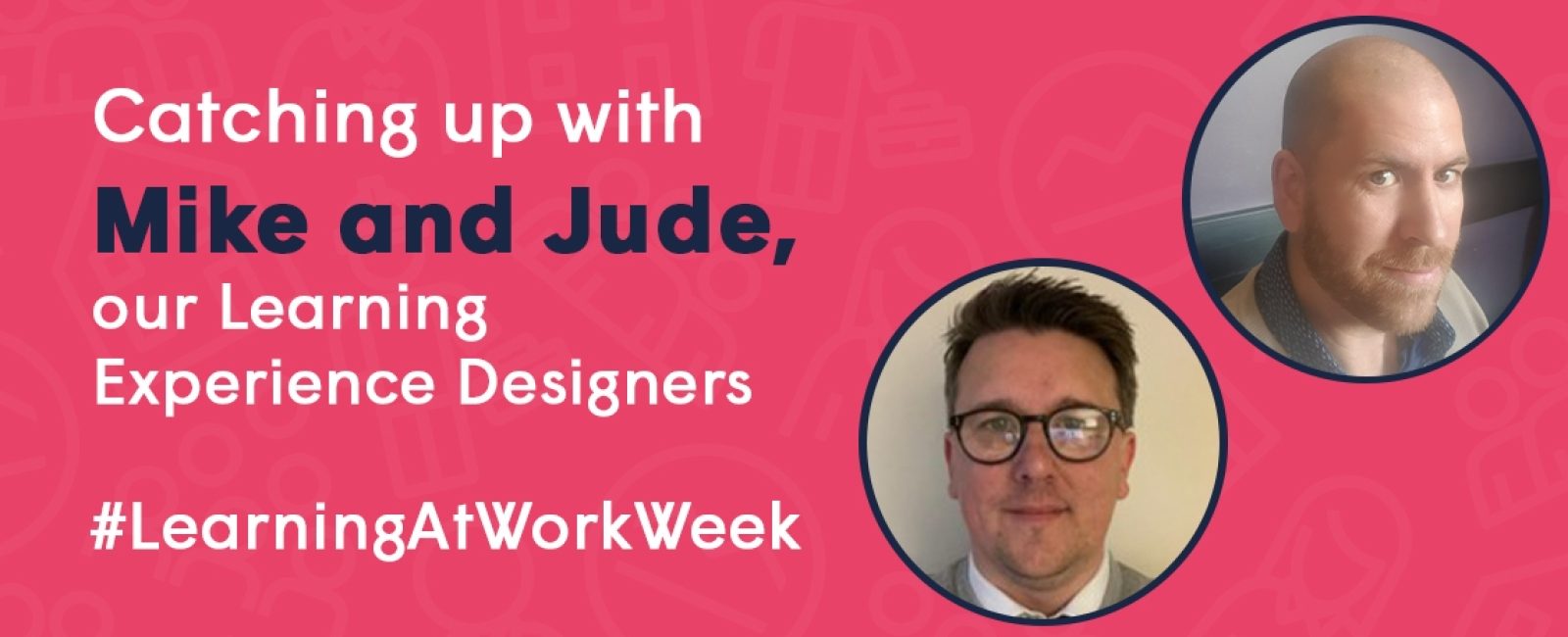
So, we spoke to Michael Upton and Jude Ellery, who are our two Learning Experience Designers at Magna, and play an important role in supporting and enabling our colleagues to learn in a variety of ways – something which aligns closely to this year’s campaign theme of many ways to learn.
Together, they started by saying:
“It can sometimes feel a bit strange to talk about learning once we’ve finished school. When you’re already in work, it’s easy to think that you’ve got what you need to do your job – and why would you go back to learn more?
“One reason is that learning keeps our minds active, helping to keep us sharp and engaged. But learning also helps keep our working lives fresh. Progress doesn’t always have to mean a promotion or moving companies; sometimes it’s about changing responsibilities, picking up a new skill, or finding a better way to do something you already do.”
Mike and Jude were clear in explaining that learning doesn’t always have to look like traditional classroom lessons, and that there are lots of different ways you can learn. They continued:
“There are generally four main learning styles; visual learners, auditory learners, reading and writing learners and kinaesthetic learners.
“Staying focused on the goal at the end of your learning is what’s most important – whether that’s confidence, a qualification, or simply doing your current role better. Knowing which way of learning work best for you helps make learning feel more natural, achievable and enjoyable.”
Mike and Jude also told us that learning doesn’t always need to be formal to be impactful too. Informal learning can be just as valuable, such as having a conversation with a colleague. Everyday learning moments often help to reinforce skills and build confidence in a natural and inclusive way.
They finished by sharing some more about the work they do a Magna:
“Learning is rarely limited to a single approach. One of the key opportunities – and joys – of our roles is creating learning experiences that suit all learners, no matter what their preferences might be.
“This might include formal learning like structured sessions or workshops, as well as more hands-on approaches like shadowing peers. Opportunities for self-directed learning, including reading or listening to podcasts, also play an important role in supporting continuous development.”
We’re proud to have passionate Learning Experience Designers at Magna who champion the importance of recognising that learning doesn’t look the same for everyone, but when designed in the right way it can be really powerful in enabling our colleagues to learn new skills.
Mike and Jude also shared an online tool with us where you can find out which type of learning suits you best. Click here to give it a go.